
The publication of the revised EU GMP Annex 1 in August 2022 marked the most significant regulatory change for sterile manufacturing in over a decade. Developed jointly by the EMA, PIC/S, and WHO, the document raises expectations for aseptic processing and contamination control across the global Pharmaceutical sector.
For manufacturers specifying or operating isolators, Annex 1 is a challenge to meet heightened requirements for contamination control and automation, but also an opportunity to strengthen sterility assurance and future-proof operations.
This blog covers what Annex 1 means for isolator technologies, how they compare with RABS (Restricted Access Barrier Systems), and how to integrate isolators into a compliant contamination control strategy (CCS).
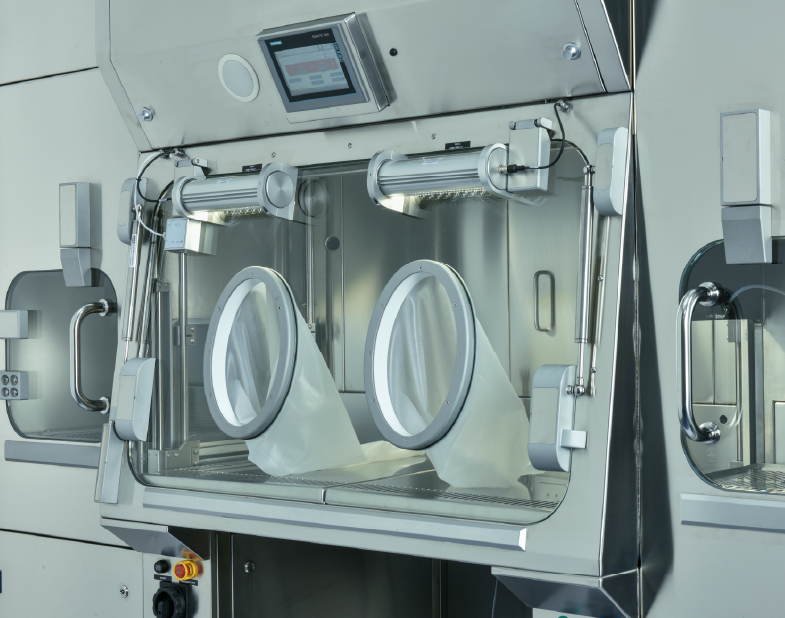
Annex 1 and Aseptic Processing – What It Actually Asks of You
At its core, Annex 1 emphasises three pillars:
- Contamination Control Strategy (CCS): A documented, holistic plan addressing facility, equipment, process, and monitoring
- Quality Risk Management (QRM): A structured approach to identifying and mitigating risks to product quality
- Barrier Systems: Strong encouragement of technologies that minimise human intervention in critical zones, namely Restricted Access Barrier Systems (RABS) and isolators
Section 4.3 of Annex 1 states:
“Restricted Access Barrier Systems (RABS) or isolators are beneficial in assuring required conditions and minimising microbial contamination associated with direct human interventions in the critical zone. Their use should be considered in the CCS. Any alternative approaches should be justified”
This reiterates the messaging that barrier systems are no longer optional, but a necessity.
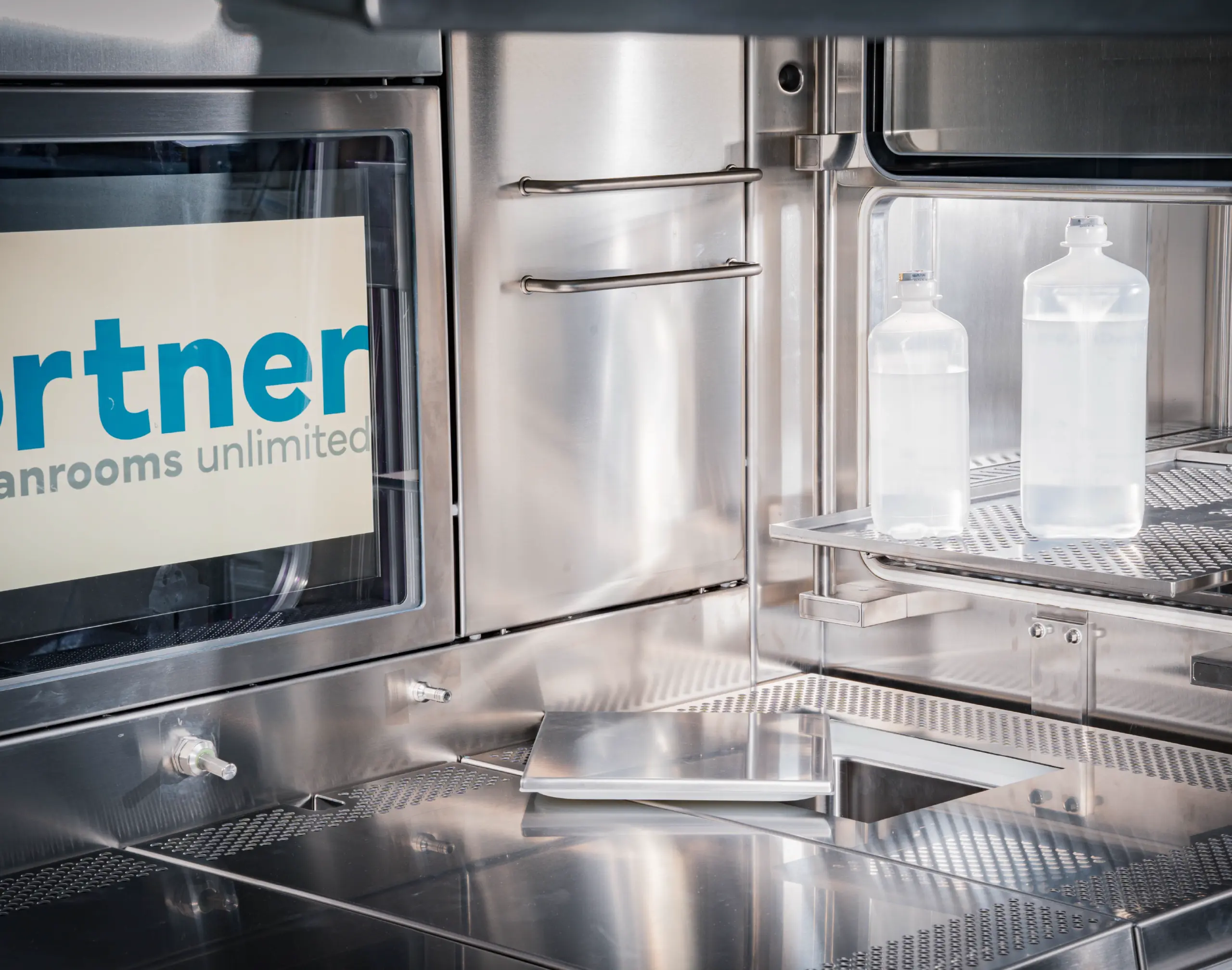
Isolators vs RABS Under Annex 1
Both RABS and isolators are recognised barrier technologies, but they differ significantly in compliance implications:
- Cleanroom grades: RABS must operate in Grade B, while isolators can be housed in Grade D, reducing operator burden and training complexity
- Decontamination: RABS rely on room-based disinfection; isolators integrate validated automated bio-decontamination, typically with vapourised hydrogen peroxide (VH202)
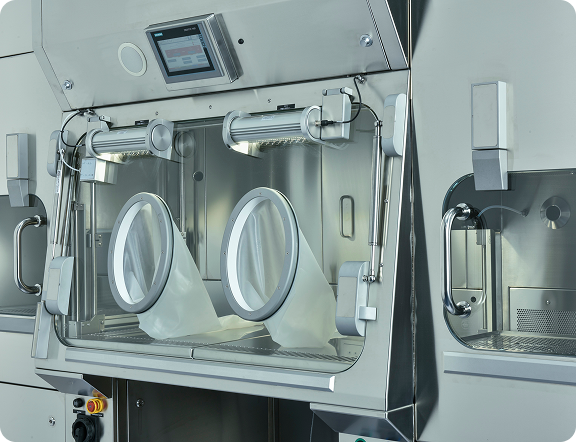
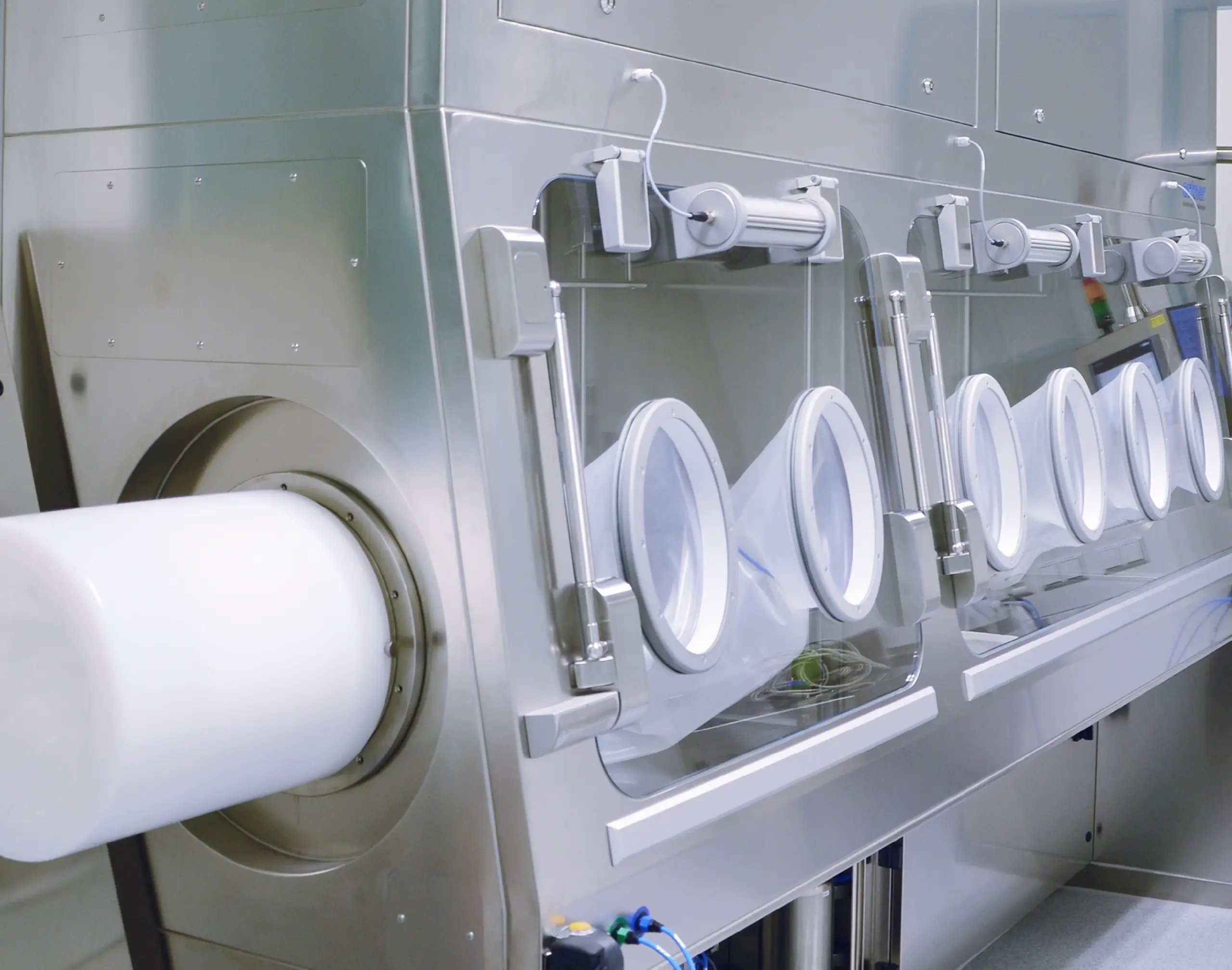
- Interventions: RABS allow some direct interventions; isolators provide a fully closed environment with glove ports or validated transfer systems
- Containment: Isolators offer superior operator protection when handling cytotoxic or high-potency APIs
Under Annex 1, isolators are the gold standard for sterility assurance, especially where product potency, biosafety, or cross-contamination risks are high.
Cleanroom Grades and Barrier Technologies
Operating isolators in Grade D areas delivers practical benefits:
- Reduced gowning requirements and simpler operator training
- Lower environmental monitoring burden compared with Grade B
- Cost efficiencies over the system’s lifecycle
- Commercial benefits to the facilities infrastructure due to a more relaxed demand on room air recirculation and filtering controls
This is why isolator adoption has accelerated globally over the last decade.
Bio-Decontamination Expectations
Section 4.22 of Annex 1 specifies that isolator interiors must undergo automated, validated bio-decontamination with a sporicidal agent, most commonly VH202.
To demonstrate compliance, manufacturers must show that cycles are:
- Controlled within defined parameters (concentration, humidity, temperature, airflow)
- Validated to ensure distribution and efficacy, including ‘worst-case’ locations
- Repeatable and documented
Common pitfalls include uneven H202 distribution, material compatibility issues, and insufficient aeration. These risks highlight the importance of partnering with suppliers who can integrate bio-decontamination design, validation, and lifecycle support.
Qualification, Validation and CCS (Contamination Control Strategy) Integration
Annex 1 requires that equipment, facilities, and processes be appropriately designed, qualified, and validated. For isolators, this means:
- Design qualification: Risk-based review of airflow, ergonomics, materials, and integration with filling or testing equipment
- Process qualification: Validated cleaning and decontamination cycles
- Lifecycle management: Ongoing monitoring, maintenance, and requalification
Building your CCS around isolators streamlines compliance. Their closed architecture, automation, and integrated decontamination reduce reliance on procedural controls and operator behaviour, the very risks Annex 1 seeks to minimise.