
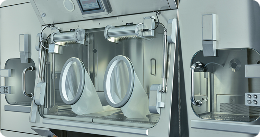
Designed for clinics to large CSSDs, our steam sterilisers set new benchmarks in safety, productivity, and cost-efficiency. Offering advanced technology and multiple configurations, they ensure fast, reliable sterilisation for consistent infection control in medical and surgical environments.

Infection Control Sterilisers
Enquire Now

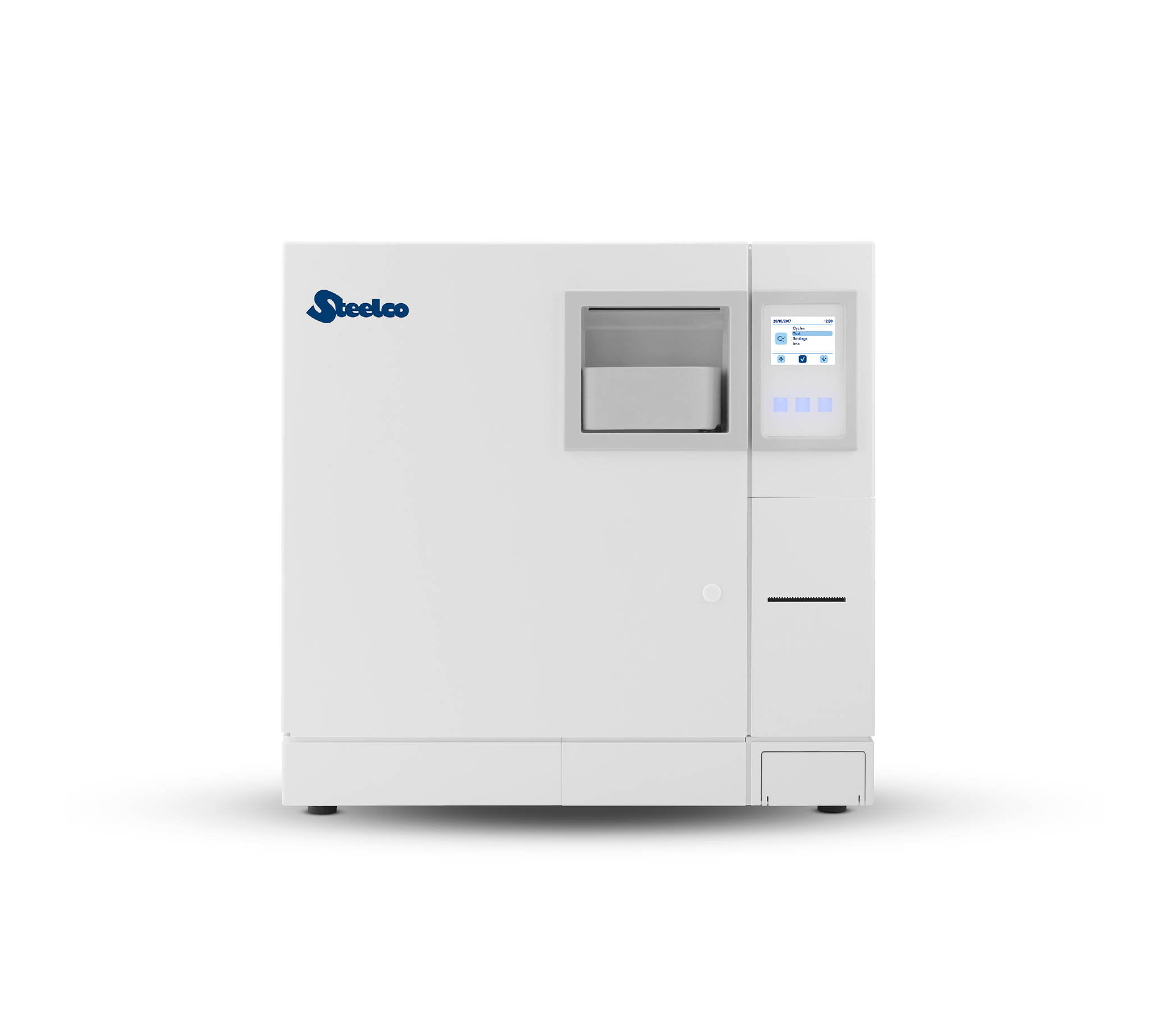
TTA 23 Small Capacity Steam Steriliser
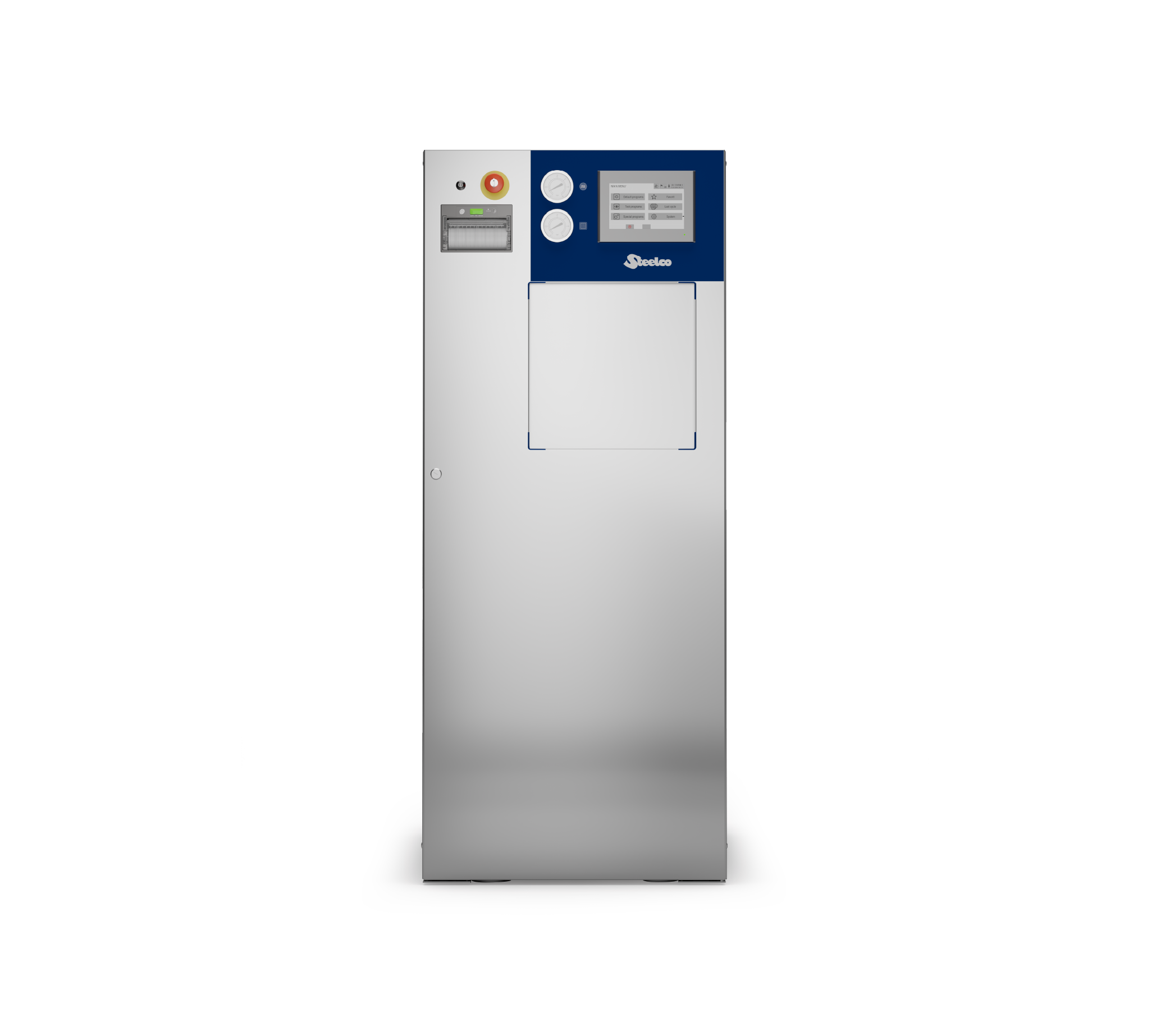
VS Series Steam Sterilisers
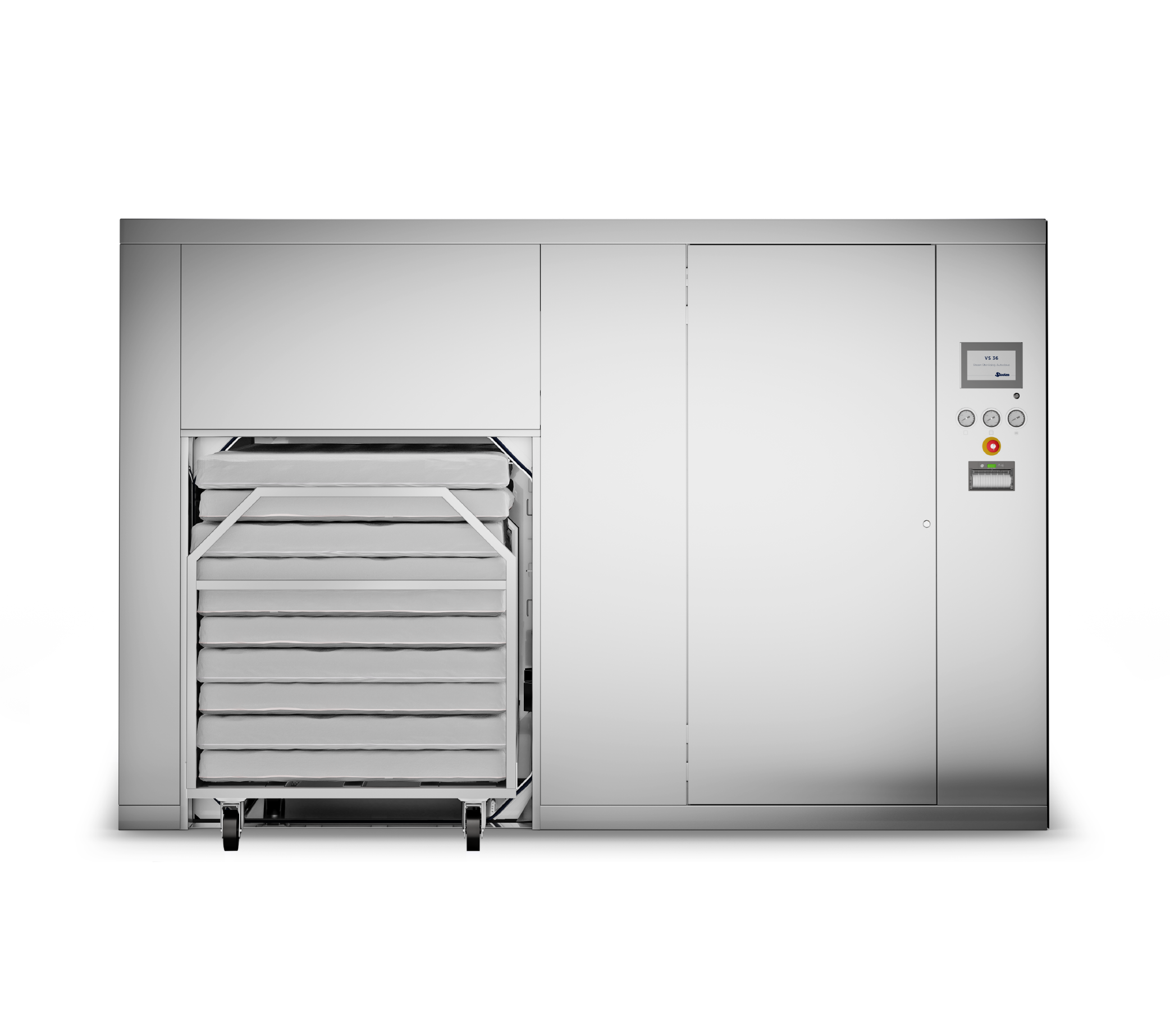
VS M Steam Steriliser
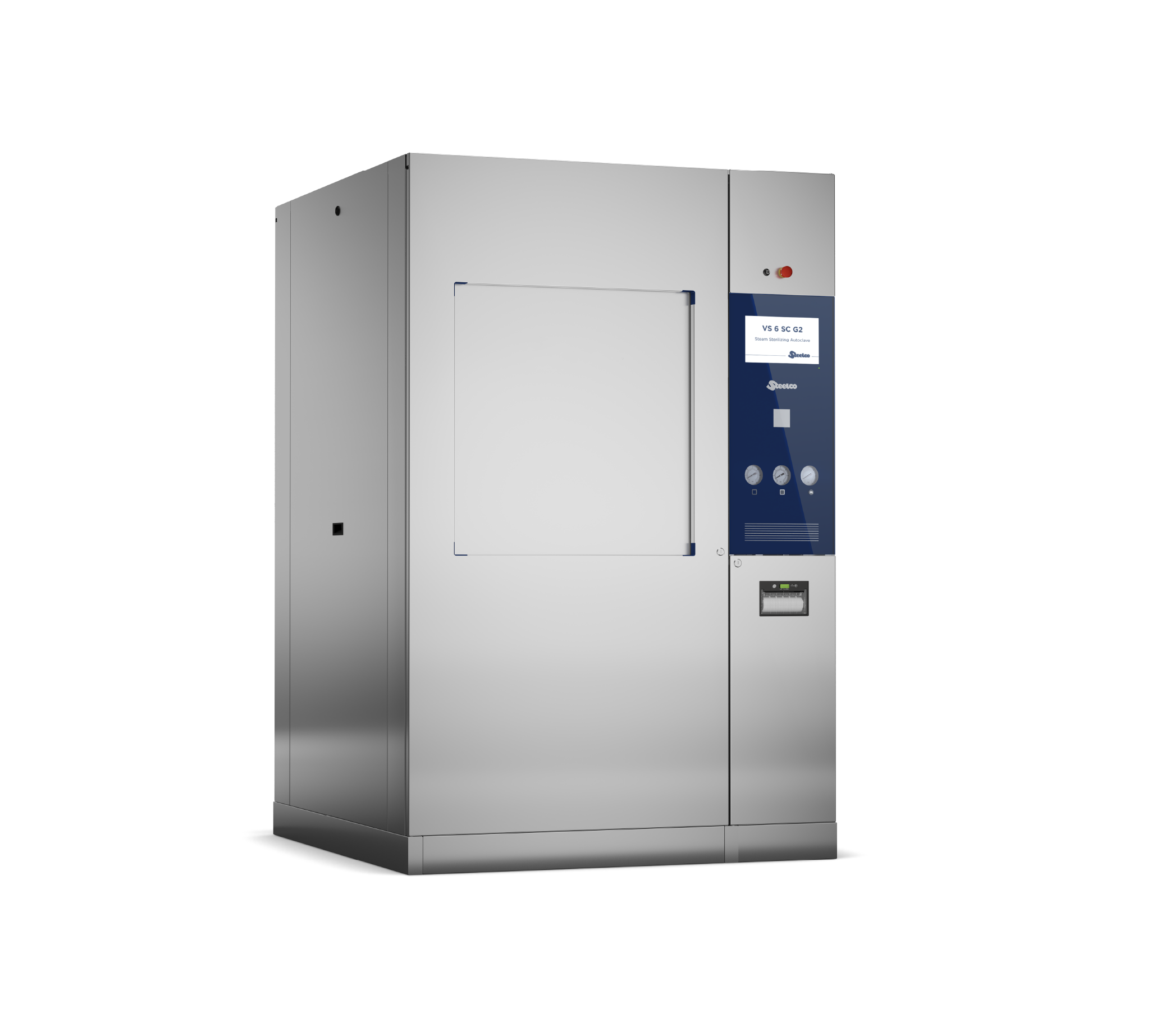
VS G2 & VS Series Steam Sterilisers
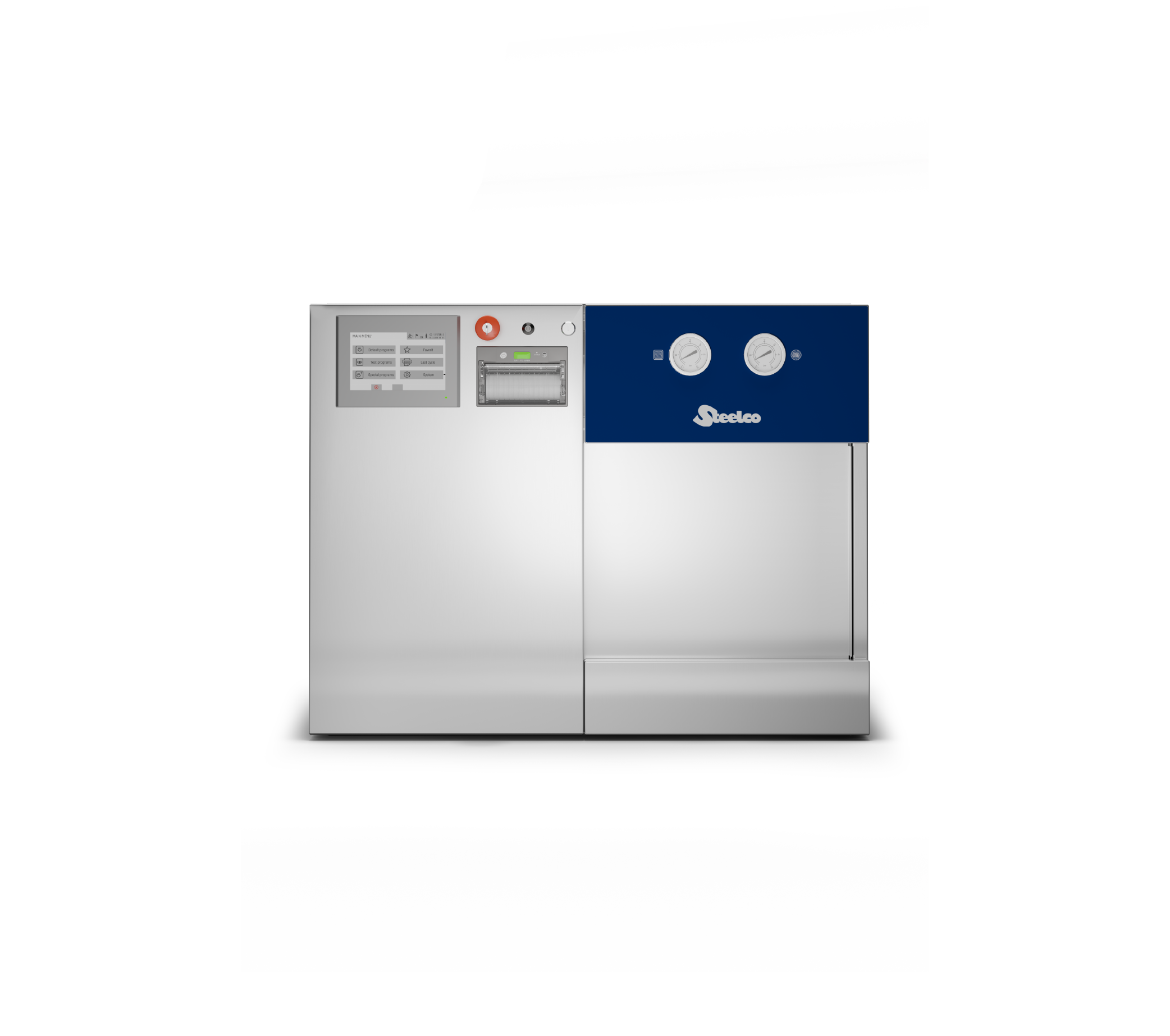
VS 1 TT Compact Tabletop Steam Steriliser

PL 70 Low Temperature Medium Capacity Steriliser

PL 40 Low Temperature Benchtop Steriliser
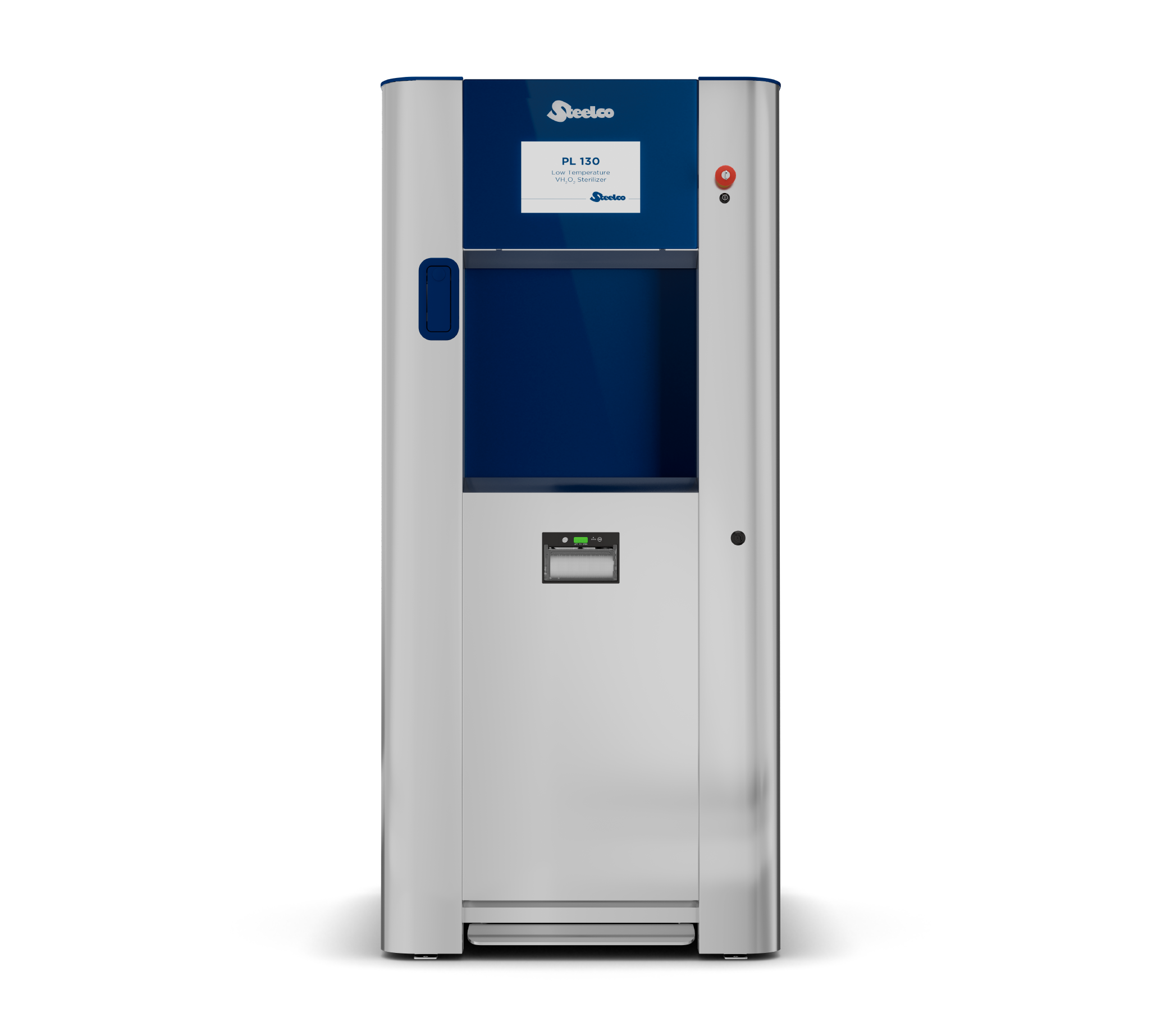
PL 130 Low Temperature High Capacity Steriliser
1 – 8 of 8 results
FAQs
-
An autoclave, also known as a steam steriliser, is a specialised machine that sterilises equipment and materials by using pressurised steam to kill harmful bacteria, viruses, fungi and spores. During the sterilisation process, items are placed inside a pressure vessel, commonly referred to as a chamber, and exposed to high-pressure steam heated to a specific temperature, typically 121°C or 134°C, for a given amount of time. This combination of heat, pressure and moisture is highly effective in eliminating harmful microorganisms by breaking down their structure. Autoclaves are used in hospitals, dental practices, laboratories and pharmaceutical manufacturing. Contact us to find the right autoclave for your work.
What is an autoclave?
-
The autoclave you need depends on how much you process each day and the space you have. A benchtop autoclave sits on a worktop and suits small, regular loads in clinics and small laboratories. A compact autoclave keeps the footprint small while handling more than a benchtop unit. An underbench autoclave fits beneath a standard worktop where bench space is tight. A standalone autoclave suits high daily volumes, large loads and bulky items. Each configuration comes in small, medium and large sizes
Which autoclave do I need: benchtop, compact, underbench or standalone?
-
An autoclave needs an electrical supply, a water supply, a drain rated for hot condensate, and a steam source: an integral steam generator or mains steam. Larger units usually need a three-phase supply. Many models also need treated water to protect the steam generator, ventilation to remove heat, and in some cases compressed air. Allow clear access around the machine for servicing and validation, and check floor loading for larger units. Contact us to confirm your site’s requirements before installation.
What are the installation requirements for an autoclave?
-
Yes. We install and commission autoclaves, and carry out Installation Qualification (IQ), Operational Qualification (OQ) and Performance Qualification (PQ) on request. IQ confirms the machine is installed correctly, OQ tests every alarm, safety system and function, and PQ proves it performs to specification with your real loads. After handover, our engineers provide servicing, validation and support for pressure systems examinations. Contact us to plan your installation.
Do you install and commission autoclaves?
-
An autoclave sterilises items that tolerate saturated steam at high temperature: surgical and laboratory instruments, porous loads such as textiles, liquids and culture media, laboratory glassware and contaminated waste. Steam sterilisation typically runs at 121°C or 134°C, and each load type needs its own validated cycle. Heat-sensitive plastics, oils and powders are not suitable for steam sterilisation. Contact us with your load list to match the right cycles.
What can you sterilise in an autoclave?
-
A porous load autoclave is a steam steriliser with a vacuum air-removal stage, built to sterilise items that trap air, such as textiles, wrapped instrument packs and filters. Steam cannot sterilise a surface it does not reach, so the autoclave removes air with repeated vacuum pulses before admitting steam, then dries the load under vacuum so packs come out dry. A daily air removal (Bowie-Dick) test confirms the vacuum stage is working. Unwrapped solid instruments and liquids use different cycles.
What is a porous load autoclave?
-
Work out the autoclave chamber size you need by measuring your largest item or load carrier, then comparing it with the chamber’s usable space rather than its nominal volume in litres. Usable space is smaller, because shelves, baskets and the gap steam needs to circulate all take room. Check the chamber shape too: a round chamber fits fewer square containers than its volume suggests. An overloaded chamber can fail to sterilise every item.
How do I work out the autoclave chamber size I need?
Case Studies
Featured Posts
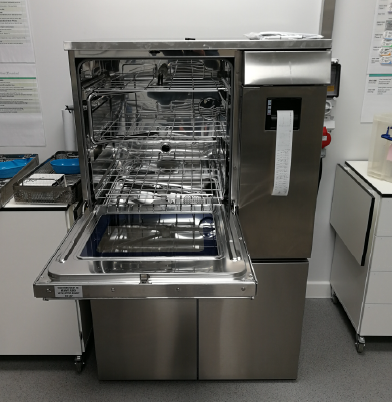
Interested in learning more about how we can optimise your facility?
Get specialist advice Get specialist advice