
Why Do I Need to Use a Protein Detection System?
Protein residue detection systems are a crucial part of helping to ensure the effectiveness of your cleaning processes.
Understanding Protein Residue Testing
Proteins are organic compounds composed of amino acids, and their presence can reveal valuable information about the history, usage, or cleanliness of a particular object or environment.
Protein residue testing involves the identification and quantification of these protein remnants, providing insights into various aspects such as hygiene, contamination, or the efficiency of cleaning processes.
The testing is particularly crucial in environments where the elimination of protein residues is essential to prevent contamination, allergen cross-contact, or the growth of microorganisms.
What is a Protein Residue Test?
A protein residue test is a method used to detect and identify the presence of protein residues on surfaces, equipment, or in various samples. It helps to assess the cleanliness of surfaces or equipment by detecting and quantifying the presence of protein residues, which can be important for maintaining hygiene standards in various industries.
Industries Where Protein Residue Testing is Essential
Protein residue testing is utilised in many industries including the food and beverage industry and healthcare environments.
In the food and beverage industry, protein residue testing is crucial to ensure the effectiveness of cleaning processes and to prevent cross-contamination. Residual proteins left on processing equipment or surfaces can lead to allergen contamination or compromise food safety.
Protein residue testing is a crucial aspect of maintaining hygiene and preventing contamination in healthcare environments. In healthcare settings, proteins can come from various sources such as bodily fluids, medications, and medical equipment.
Effective protein residue testing helps ensure that surfaces and medical instruments are properly cleaned and sanitised, reducing the risk of infections and promoting patient safety.
Legislation Surrounding Protein Residue Testing
Protein residue tests are essential to the day-to-day running of a sterile service department.
To achieve full compliance with the latest HTM 01 – 01: 2016 for the decontamination of reusable surgical instruments, evidence of good practices is required. This includes logging evidence of each protein residue test carried out within the decontamination department as proof of a traceable process.
How To Choose The Right Protein Residue Detection Systems
When selecting a Protein Residue Detection system, several factors are related to your specific application. These are sensitivity, interfering Substances, speed and ease of use.
Our Protein Residue Detection Systems
Together with Terragene, we supply a selection of protein residue detection systems designed to support compliance, safety and process validation, including:
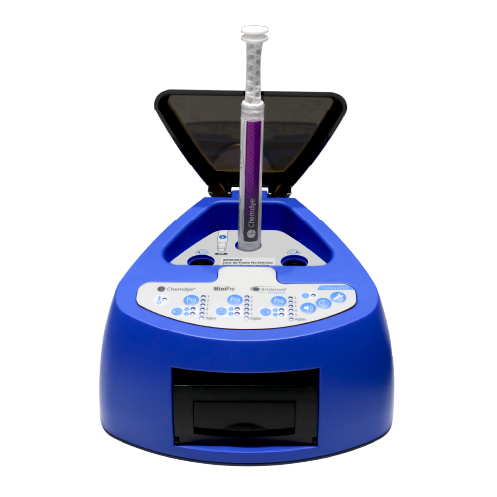
- MiniPro- auto-reading incubator for consistent results
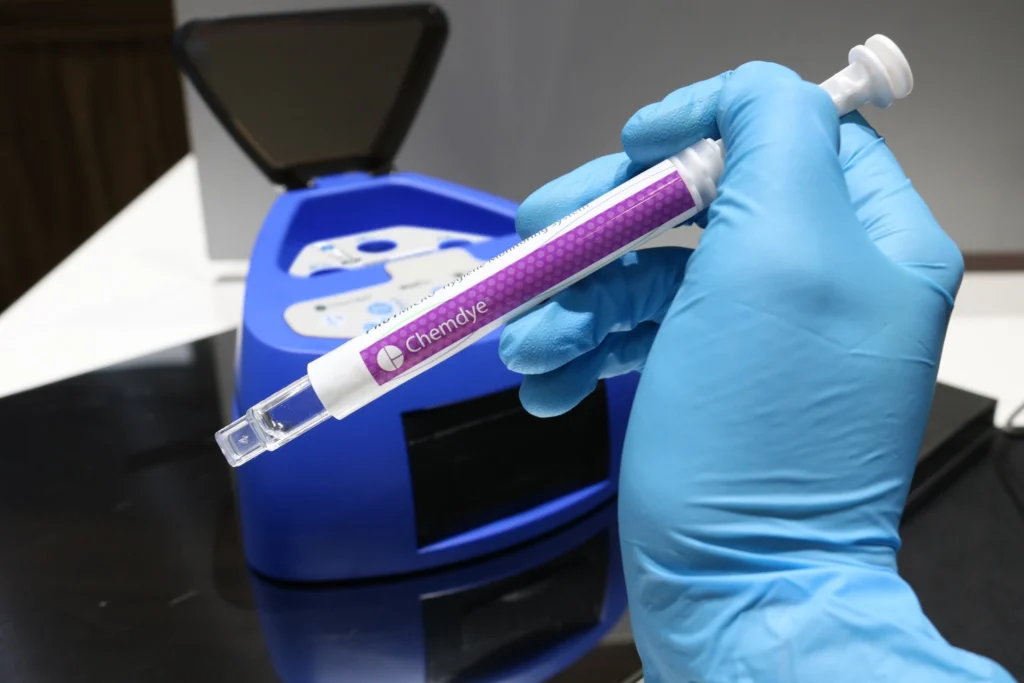
- PRO 1 MICRO – high-sensitivity protein residue testing pens
- PRO 1 VT – positive/negative calibration control kit.

Frequently Asked Questions About Protein Residue
How often should a Protein Residue Test be done?
Protein tests should be performed weekly should be performed, as per UK guidance (HTM 01-05), to ensure effective protein removal.
How do you test for Protein Residue?
To test for Protein Residue it’s as simple as swab, snap and squeeze and check if there is a colour change.