
Central Intravenous Additive Services (CIVAS) play a vital role in modern healthcare by ensuring injectable medicines are prepared safely, consistently, and under controlled conditions. Whether operated within a hospital pharmacy, delivered by a specialist outsourced compounding provider, or tailored for hazardous/high-risk therapies, CIVAS units all share the requirement for validated aseptic processing.
This is where isolator technology becomes necessary. Isolators create controlled EU GMP Grade A environments, separating product from personnel and significantly reducing the risks associated with manual preparation. In both small-scale and industrial CIVAS operations, isolators support compliance, patient safety, and efficiency.
What is CIVAS?
CIVAS refers to the centralised preparation of intravenous (IV) medicines, replacing ward-based or bedside compounding with a controlled, validated process. Instead of relying on nursing staff to reconstitute injectables in clinical environments, CIVAS units standardise preparation in dedicated aseptic facilities:
- Reduced medication errors by centralising and standardising preparation
- Enhanced sterility assurance through aseptic environments
- Operational efficiency in meeting rising clinical demand
- Improved patient outcomes from safer, higher-quality injectable therapies
CIVAS covers a wide range of products, from parenteral nutrition and chemotherapy mixtures to antibiotics, antivirals, and specialist injectable therapies.
Why Isolator Technology is Non-Negotiable
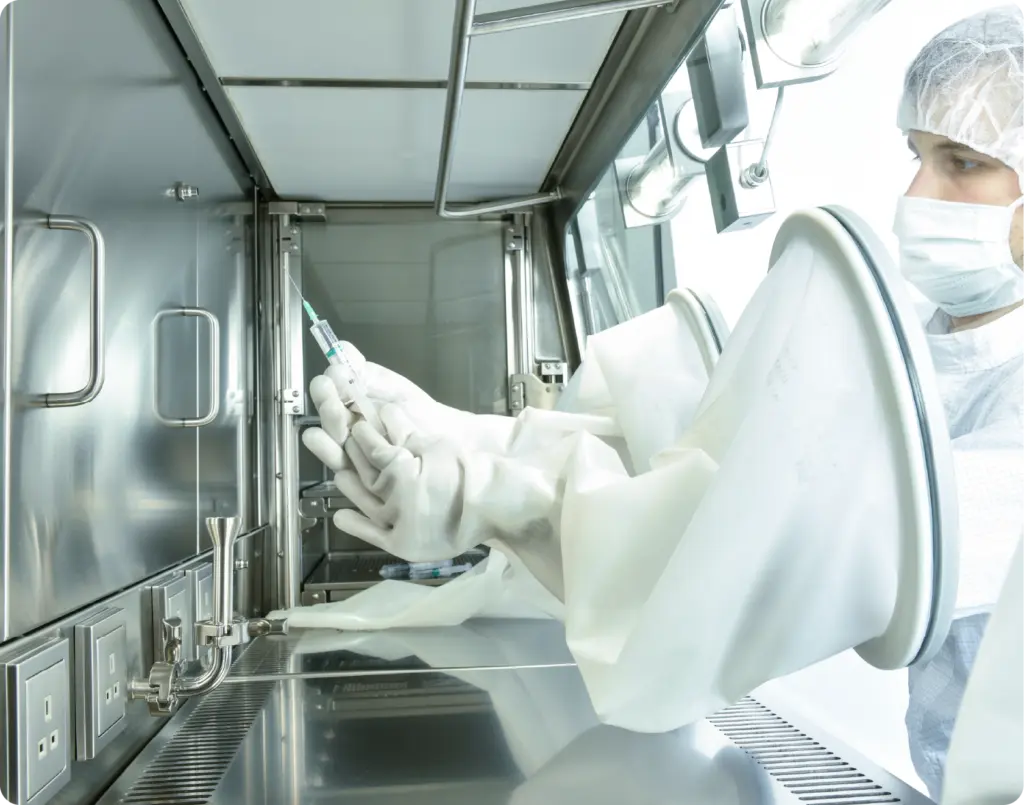
Injectable medicines carry high risks. Contamination, misdosing, or compounding errors can have life-threatening consequences. For this reason, isolators are the basis of CIVAS operations across all contexts:
- EU GMP Grade A aseptic zones ensure product sterility
- Positive or negative pressure environments provide either product protection (positive) or operator protection (negative, for cytotoxics)
- Validated transfer chambers prevent breaches during material handling
- Automated bio-decontamination cycles standardise sterility assurance
- Physical separation between operator and product reduces human error
Whether in a hospital or an industrial-scale compounding facility, isolators form the pillar of contamination control strategies.
CIVAS Across Different Settings
Hospital Pharmacy CIVAS Units
In hospitals, CIVAS units typically handle patient-specific preparations such as TPN, chemotherapy admixtures, and antibiotics:
- Positive pressure isolators for aseptic compounding
- Ergonomic gloveports to support frequent manipulations
- Rapid decontamination cycles to keep pace with daily demand
- Validated transfer systems for raw materials and finished products
In this instance, throughput and operator ergonomics are vital, and isolators must balance sterility with efficiency.
Outsourced/Commercial CIVAS Providers
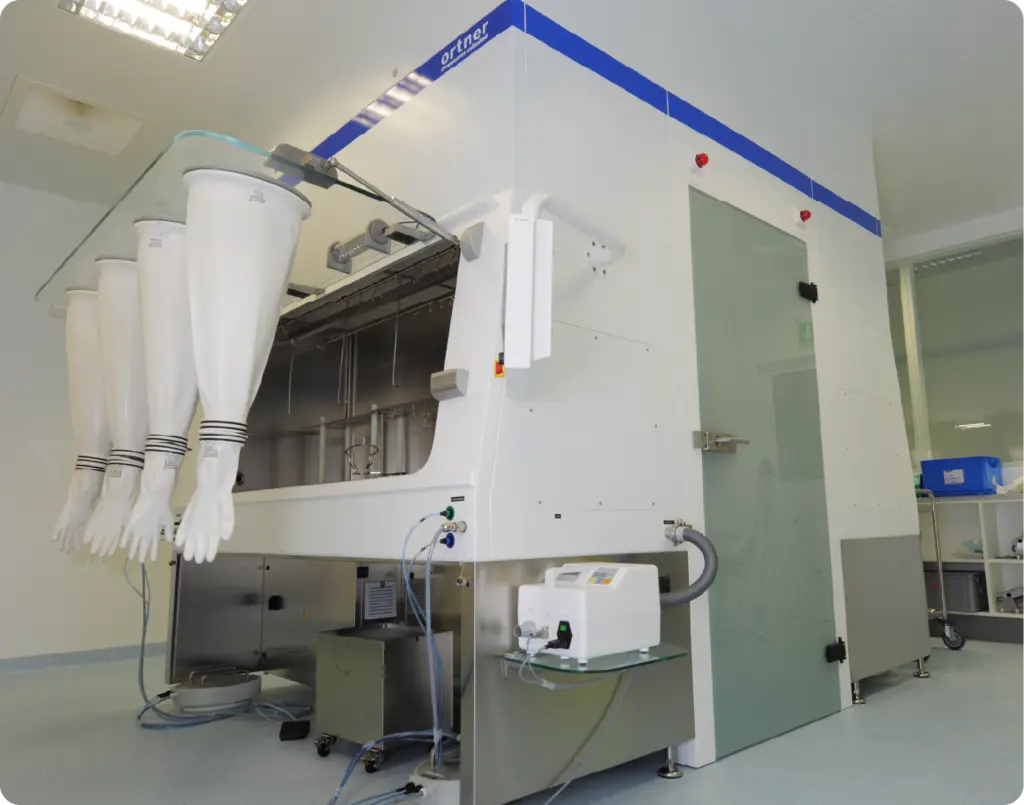
Large-scale CIVAS providers supply ready-to-use injectables to multiple hospitals or healthcare networks. These facilities operate more like industrial aseptic manufacturing sites, with much higher volumes and a need for automation:
- Modular isolator systems that can scale with production demand
- Robotics integration to minimise manual intervention
- Automated, validated VH202 decontamination cycles with short turnaround times
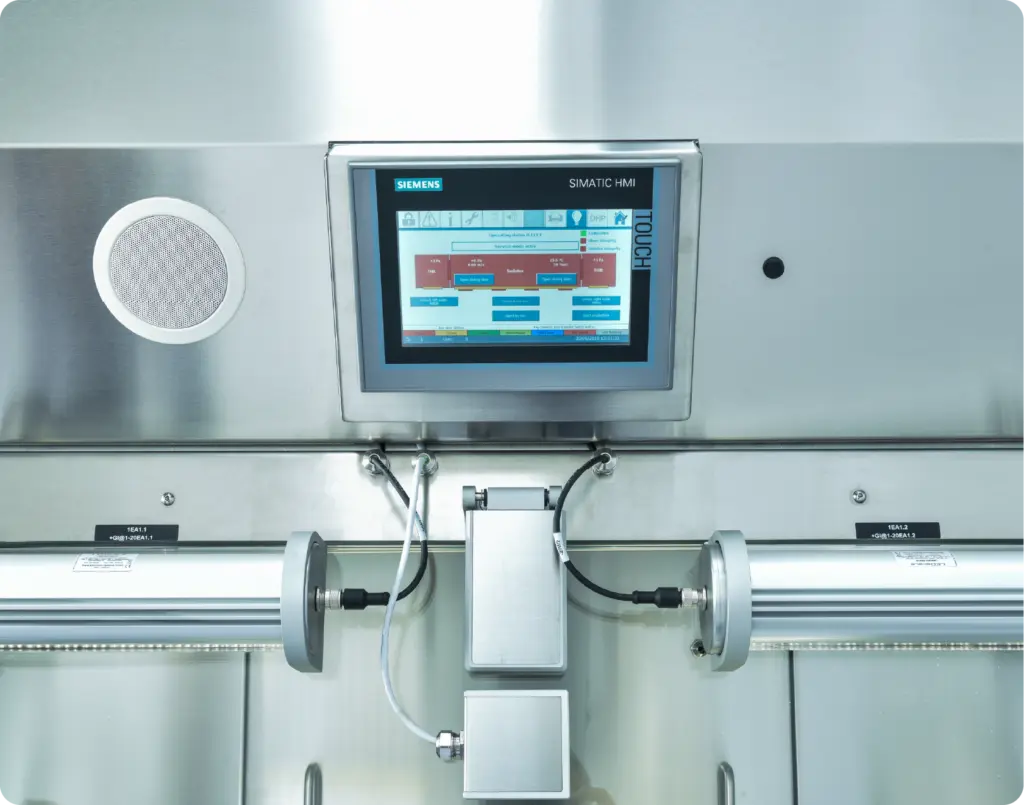
- Comprehensive digital control and monitoring systems for quality assurance
In these instances, isolators must support continuous production and align with GMP expectations similar to those in pharmaceutical manufacturing.
Specialist Applications: Cytotoxics and Hazardous Drugs
When handling cytotoxic chemotherapy drugs, high-potency APIs, or investigational products, operator protection becomes as important as product sterility:
- Negative pressure isolators to protect staff from hazardous aerosols
- Safe waste handling systems to prevent exposure
- Validated airflow and pressure control to balance product and operator protection
These isolators ensure safety on both sides of the barrier, protecting healthcare staff while safeguarding product sterility.
Mapping the CIVAS Workflow to Isolator Functionality
Across all settings, the CIVAS workflow can be broken down into four core stages:
- Material Transfer: Transfer chambers with interlocks, high air change rates, and validated decontamination prevent contamination ingress
- Compounding & Preparation: Grade A unidirectional airflow, gloveport ergonomics, and cleanable surfaces maintain asepsis
- Packaging & Labelling: Isolator integration ensures sterility until products exit through validated transfer systems
- QA and Batch Release: Digital control systems, environmental monitoring, and integrated quality checks support compliance
Each stage maps directly to your isolator design to ensure sterility, repeatability, and compliance from start to finish.
Compliance and Quality Assurance
CIVAS operations are subject to the same fundamental principles of EU GMP Annex 1:
- A Contamination Control Strategy (CCS) that integrates facility, equipment, and process design
- Quality Risk Management (QRM) at every stage of material handling and compounding
- Automated, validated bio-decontamination to remove reliance on manual cleaning
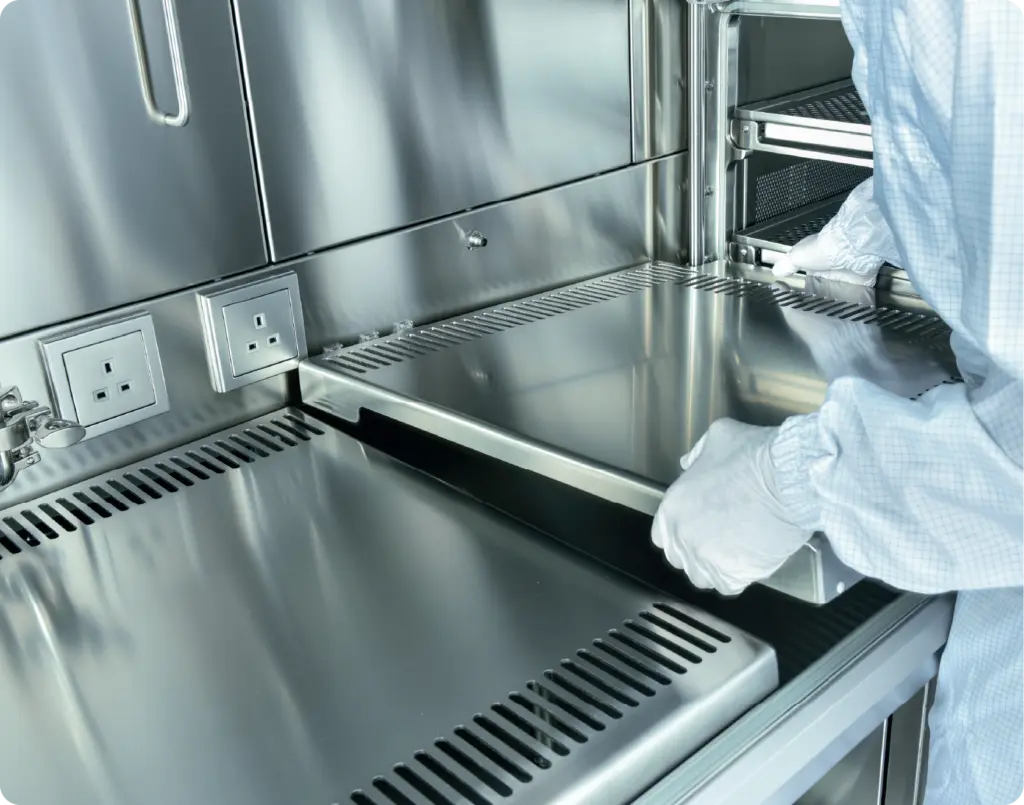
Offering auditable controls, automated leak testing, and validated contamination cycles, isolators provide QA teams with the confidence they need for both compliance and inspections.
The IsoLine Range: Flexible Isolator Solutions for CIVAS
Through our partnership with Ortner, Sychem delivers the IsoLine portfolio to the UK, designed to meet the full spectrum of CIVAS requirements:
- Aseptic Isolators: High-throughput, modular systems for outsourced compounding providers
- Sterility Testing Isolators: For QA applications in both hospital and industrial settings
- Cytotoxic Isolators: Negative pressure solutions for hazardous compounding
This flexibility means CIVAS operations, be it hospital-based or commercial, can deploy the right isolator technology for their risk profile, workflow, and compliance needs.
CIVAS is essential to modern medicine, making sure patients receive safe, high-quality injectable therapies. Isolators deliver validated sterility assurance, safeguard operators and products, and align with Annex 1 expectations for barrier technology and contamination control.
With Ortner’s IsoLine Range of isolators, delivered in the UK by Sychem, CIVAS providers can build operations that are compliant, efficient, and future-ready.
Interested in strengthening your CIVAS strategy?
Speak to our team today about the IsoLine Range and how isolators support aseptic compounding needs.