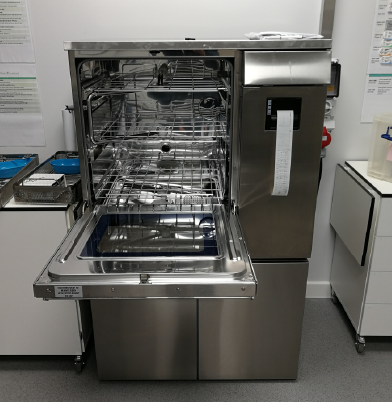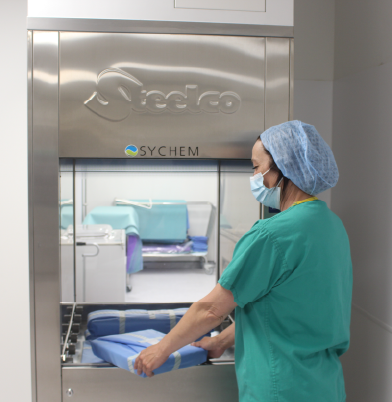

Autoclaves, otherwise known as Steam Sterilisers, sterilise equipment using high-pressure steam to eliminate microorganisms. Autoclaves play a crucial role in sterilisation and infection control across Healthcare, Laboratory and life science environments. But how do you use an Autoclave correctly, and what is an Autoclave used for in practice?
The use of an Autoclave is based on exposing equipment and materials to high-pressure steam temperature, ensuring the elimination of bacteria, fungi, viruses and spores. While procedures may vary by industry and facility, the principles behind Autoclave operation remain consistent.
What Is an Autoclave Used For?
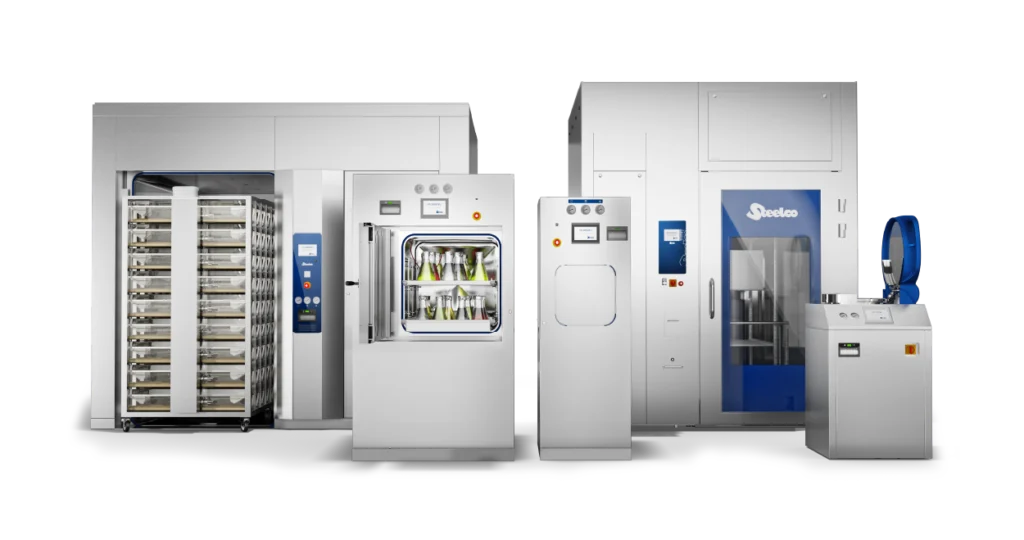
An Autoclave is arguably the most effective sterilisation method for glassware and laboratory equipment. Autoclaves are commonly used to sterilise reusable medical devices and Laboratory equipment after decontamination. These machines come in various sizes and configurations, ready to meet the customer’s and facility’s needs. These machines come in various sizes and configurations, ready to meet the customer’s and facility’s needs. Discover the Benefits of Vertical Loading Autoclaves.
Common Autoclave uses include:
- Healthcare: Surgical instruments and medical devices
- Laboratories: Glassware, culture media, and biohazard waste
- Dental Clinics: Reusable dental instruments
- Veterinary practices: Surgical tools and textiles
- Life science research: Contamination control and medical preparation
How Do You Use an Autoclave?
To use an Autoclave, the user must follow a number of simple steps. First of all, an empty chamber cycle should be undertaken to warm up the chamber and remove any condensate from the pipes. In turn, this cycle run will also ensure that the whole chamber and door(s) are at maximum working temperature. Next, if at any time the steriliser has stood for a length of time (dictated by local policy), a warm-up cycle should be conducted.
A successful Bowie-Dick type test for steam penetration is designed to demonstrate that all air has been removed from the chamber and that the steam supply does not contain condensable gases. The test should be carried out daily and the result recorded in the steriliser logbook. Then, the prepared test pack is placed in the empty steriliser chamber 100 to 200mm above the centre of the chamber base (as per HTM 2010-part 3 guidance), and the cycle started.
On completion, you should check the test sheet and confirm and record the result with a line manager in accordance with local policy. Then, if satisfactory, the machine can be put into use.
After completing the steps above, you can then open the chamber door.
Next, the user must load the steriliser by inserting the loaded carriage into the chamber. For smaller machines, it may be necessary to manually load. Sterilisers work more efficiently with a full load- note however, the chambers should not be overloaded. The most substantial items in a load should be situated on the lowest shelf of the carriage to facilitate the process as it eliminates the possibility of any run-off of condensate onto packs/trays below.
Then you can close the door and start the cycle.
An indicator light or the printer paper will denote a pass or fail cycle, proceed according to local policy. The door can be opened, and the load removed. The door should be closed as soon as the chamber is emptied, as this will conserve energy and maintain the chamber temperature for the next load.
Key Principles of Autoclave Use
- Steam Penetration: Steam must have contact with all surfaces of the item to be effective
- Temperature: Typically ranges from 121-134°C depending on the cycle
- Time: A specific exposure time at the right temperature is essential for the elimination of microorganisms
- Correct Loading: It is crucial not to overload to ensure space for steam circulation
Our Autoclave Portfolio
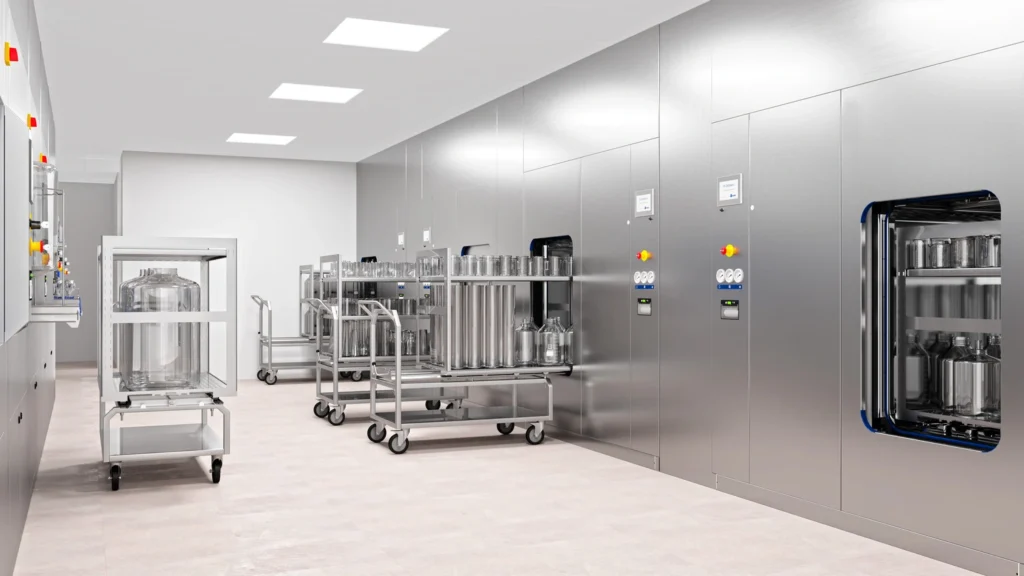
At Sychem, we supply a wide range of Steelco Autovclaves to support safe and effective Autoclave use across Healthcare, Laboratory, Dental, Veterinary, and life science settings. In partnership with Steelco since 2008, our portfolio includes steam and low-temperature sterilisers in a variety of sizes and capacities to support correct Autoclave operation.
To read more in-depth about Autoclaves, head to our educational blog hub on our Sychem shop and read our blog on What Is An Autoclave and How Does It Work?
For further information on the range of Autoclaves that Sychem has available for Healthcare, Life Sciences and Laboratory applications, visit our catalogue page.

Alternatively, for advice and guidance on which Autoclave product is best for your application, get in touch with a member of our specialist team by calling 02380 240729, or emailing us at hello@sychem.co.uk, and we’ll be happy to help.