
At Sychem, we are experts in the process of Sterilisation, and provide an extensive portfolio of products and equipment to carry out the process. No matter the kind of Sterilisation you need, Sychem has the solution.
What is Sterilisation?
According to the Oxford Dictionary, Sterilisation refers to the process of making something free from bacteria or other living microorganisms. Effective sterilisation techniques are essential for maintaining a sterile environment within many industries, such as Healthcare, Laboratory, Life Science and many more.
The process of Sterilisation kills and destroys all types of microorganisms and microbial life, including viruses, bacteria and resistant bacterial spores, using either physical or chemical methods. The process however, is not necessarily effective against prions. As there is no way to detect all organisms on a device, the term sterile can be used when the potential bio-burden (the number of devices on a device) has been significantly reduced, to the point that there is less than a one in a million chance of any surviving. (This can be expressed mathematically as a sterility assurance level (SAL) of 10-6 or 1:1 000 000).
What methods of Sterilisation are there?
There are many different Sterilisation processes, including Physical, Radiation, Ultrasonic, Steam and Chemical methods. However, the two most common forms of Sterilisation include creating a hot and dry or a hot and wet environment.
• DRY HEAT (Bake/Flame) Leading to Dry Heat Oxidation of the microorganism
• WET HEAT (Steam Steriliser Autoclave) Leading to Steam Coagulation of the microorganisms
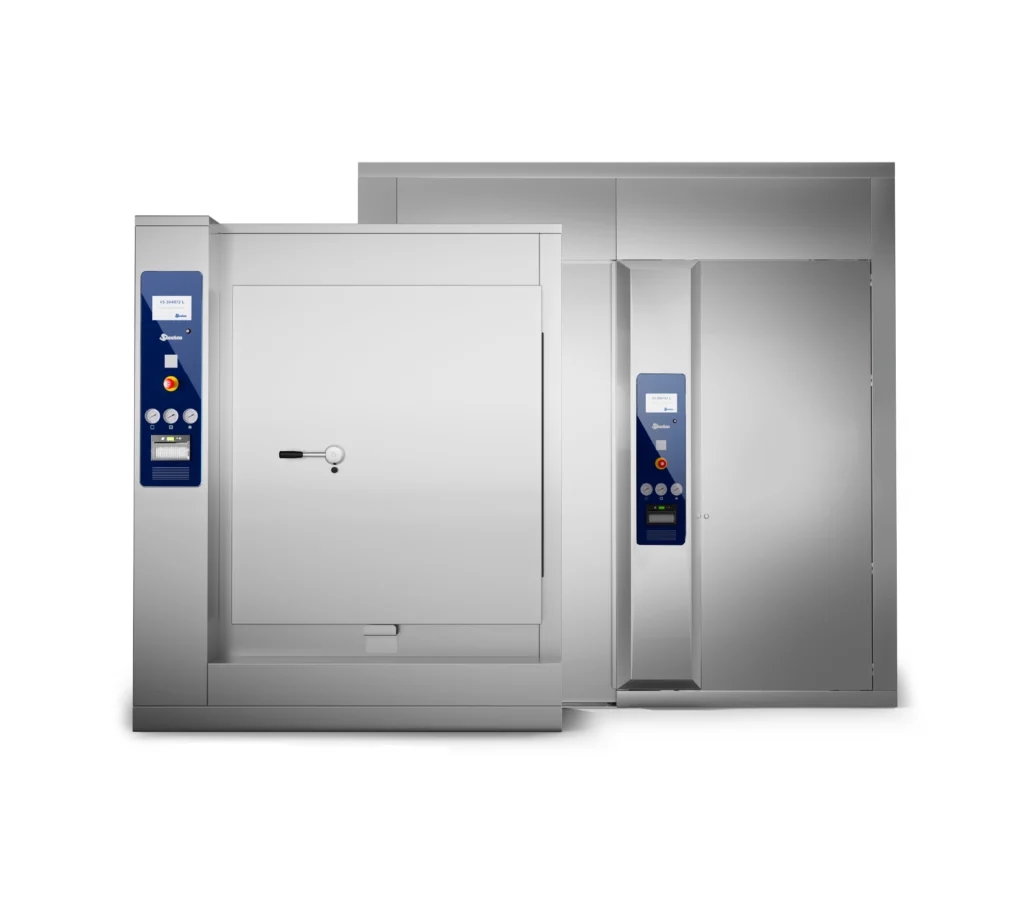
The use of a Steam Steriliser in Healthcare has long since been a favourable process for a variety of reasons. Moist heat sterilisation is reliable and effective, and the process variables are well understood and characterised. In addition, this process denatures the proteins present in the microorganisms, facilitating destruction.
What are the advantages of Steam Sterilisation?
Steam Sterilisation has many benefits, which make it the first choice Sterilisation process.
- It is low in cost and easy to produce.
- It requires relatively simple technology and therefore, is easy to use.
- It leaves no chemical residues or by-products behind.
- It is non-toxic.
- Sterilisation cycles are shorter than other methods.
Steam Sterilisation is a process that can be easily monitored, controlled and validated throughout its duration.

Chemical & Gas Sterilisation
This type of sterilisation is essential for medical devices and instruments that cannot withstand the high temperatures of traditional-based sterilisation. These methods use reactive chemicals or gases to destroy microorganisms at low temperatures while protecting delicate equipment from heat damage. Commonly used in Healthcare, Laboratories, and industries working with advanced technology.
When dealing with complicated or technologically advanced equipment, both dry and wet heat sterilisation methods could lead to product damage and may require a form of low-temperature sterilisation.
A common form of plasma used for this purpose is hydrogen peroxide, which offers many advantages as a sterilisation method. Some of these include:
- No chemical residues
- Safe to handle
- Environmentally safe
- Short Aeration time
Common Chemical & Gas Sterilisation Methods:
- Ethylene Oxide (EtO): A toxic, residue-free gas used as a disinfectant in hospitals and the medical industry; ideal for sterilising heat and moisture-sensitive equipment.
- Hydrogen Peroxide Plasma: Combines vapourised hydrogen peroxide with plasma to create reactive species that rapidly destroy microbes at low temperatures.
- Ozone Peroxide Plasma: Utilises ozone gas, a strong oxidising agent, to break down microbial cell components.
- Peraetic Acid Sterilisation: A liquid chemical process that destroys bacteria, viruses, and spores through strong oxidation, often used in automated endoscope reprocessors.
- Chlorine Dixoide Gas: A fast-acting sterilant effective at low concentrations, suitable for room and equipment decontamination.
Our Sterilisation Equipment
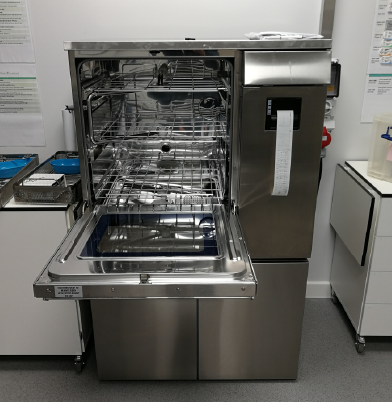
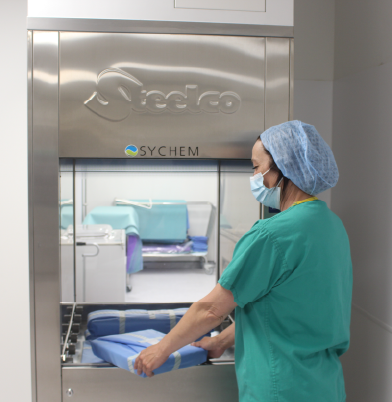
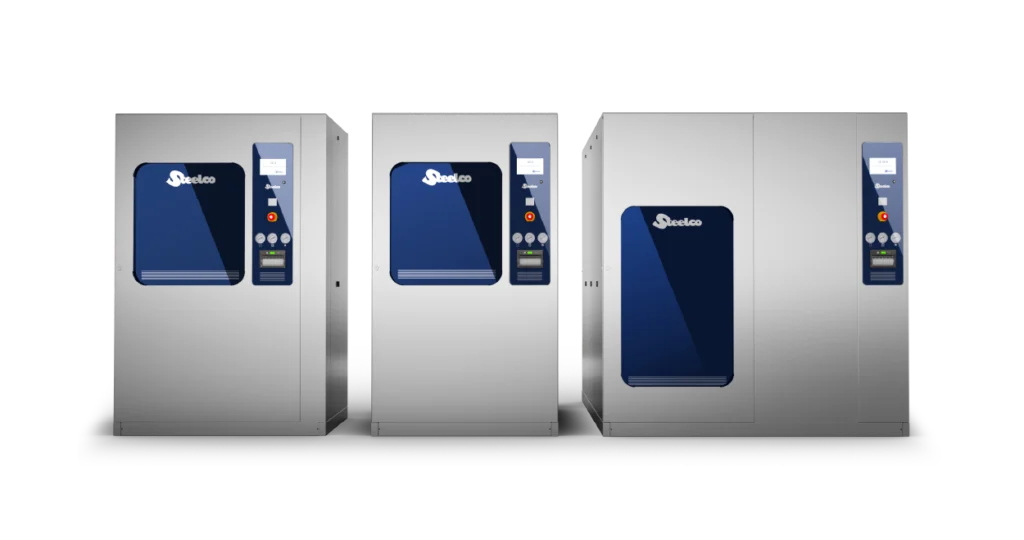
At Sychem, we provide a vast range of autoclaves from leading Italian manufacturer Steelco. All are designed for use in healthcare settings, life sciences, laboratories, veterinary practices, pharmaceuticals, dental clinics, and pathology departments.
Together with Steelco, we can offer a full range of small to high-capacity autoclaves to create the perfect solution for any central sterilisation services department or research laboratory. All solutions can be customised to suit your needs and desired application with a range of options such as; eco saving water options, door specifications and tailored left or right-handed loading sides to complement your facilities layout.
Find out more about our diverse range of Steam Sterilising Autoclaves or visit the Steelco website to view their complete portfolio of Sterilisers.
If you have any questions or would like to find out more information about our Steam Sterilisers, enquire now or contact one of our experts on 02380 240729.